


At first, it sounds like a compliment.
“You speak so well.”
“Your English is great.”
But for many people, that phrase lands with hesitation — not gratitude. And often, the question isn’t what was said, but what was implied.
So what does “your English is great” really mean?
Why Do People Say “Your English Is Great”?
In many cases, the speaker believes they’re being kind. The phrase is often delivered with a smile, curiosity, or even admiration.
But embedded in the compliment is an assumption — that fluency was unexpected.
Unexpected because of:
- an accent
- a name
- an appearance
- an identity
The praise doesn’t exist in isolation. It exists inside a social context where language is tied to belonging.
Why Can This Compliment Feel Uncomfortable?
The discomfort doesn’t come from the words alone.
It comes from what they quietly suggest.
That speaking clearly is surprising.
That fluency is an achievement rather than a given.
That being understood required approval.
For many bilingual and immigrant communities, moments like these accumulate. They become reminders that language is often used as a measuring stick — not just for communication, but for worth.
Is “Your English Is Great” a Microaggression?
Not always.
But it can be.
A microaggression isn’t defined by intention alone. It’s defined by impact. When compliments repeatedly highlight difference, they reinforce the idea that some people are perpetual outsiders — no matter how fluent they are.
That’s why this phrase can feel heavy, even when it’s well-intended.
Why Language Is Never Just Language
Language carries power.
It signals who belongs, who is credible, and who needs to prove themselves. Accents are judged. Grammar is scrutinized. Fluency becomes currency.
In that system, compliments about language are rarely neutral. They exist within hierarchies that favor certain voices over others — and that’s why they deserve closer examination.
At VOZ NYC, we believe these everyday moments matter because they shape how people move through the world.
Why These Conversations Matter
Most people don’t talk about this openly.
They feel it privately.
But when language-based experiences remain unnamed, they continue unquestioned. Exploring them doesn’t mean assigning blame — it means creating awareness.
Awareness leads to understanding.
Understanding leads to belonging without conditions.
That is the kind of storytelling VOZ NYC exists to publish.
Related Reading
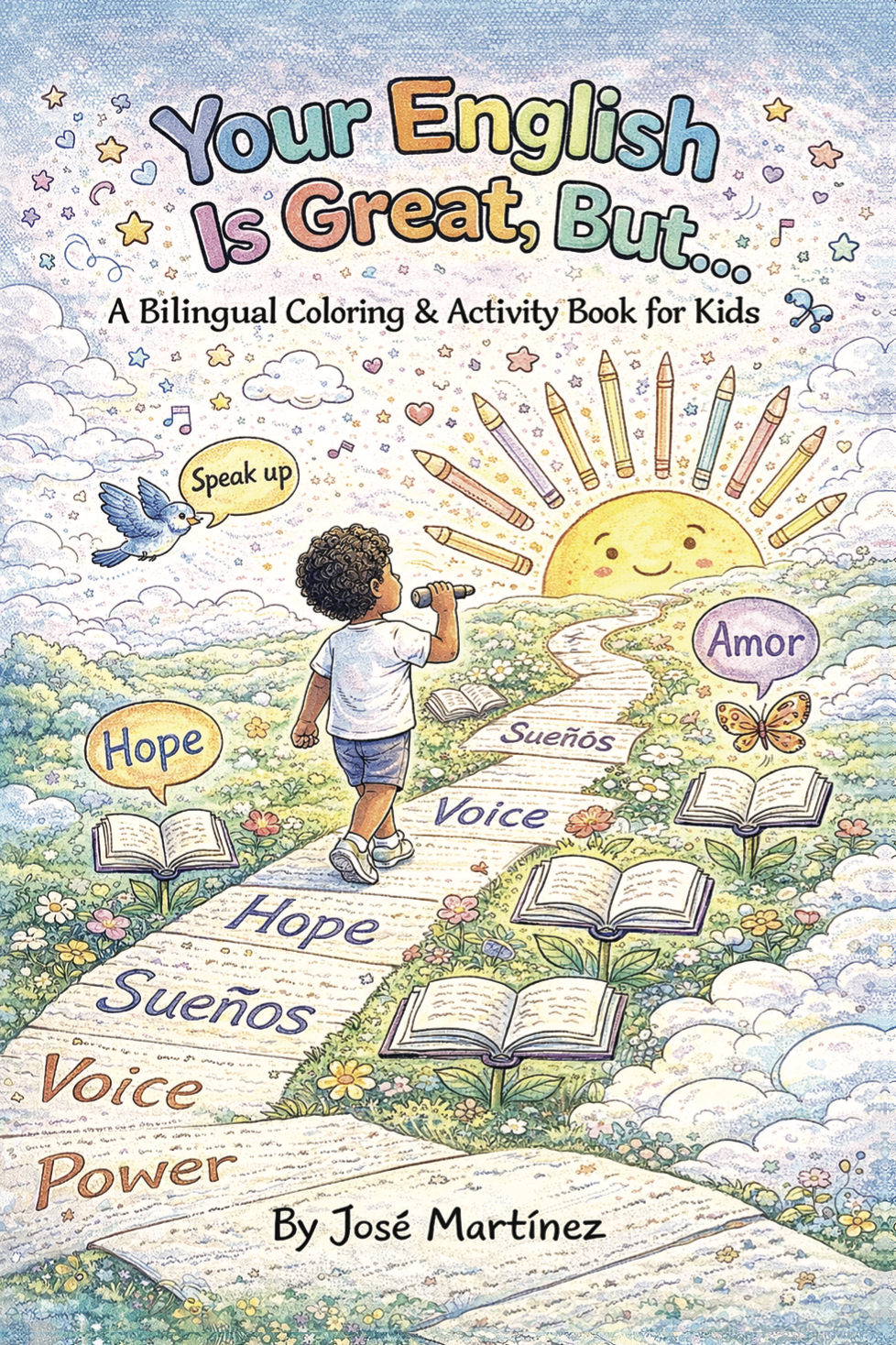
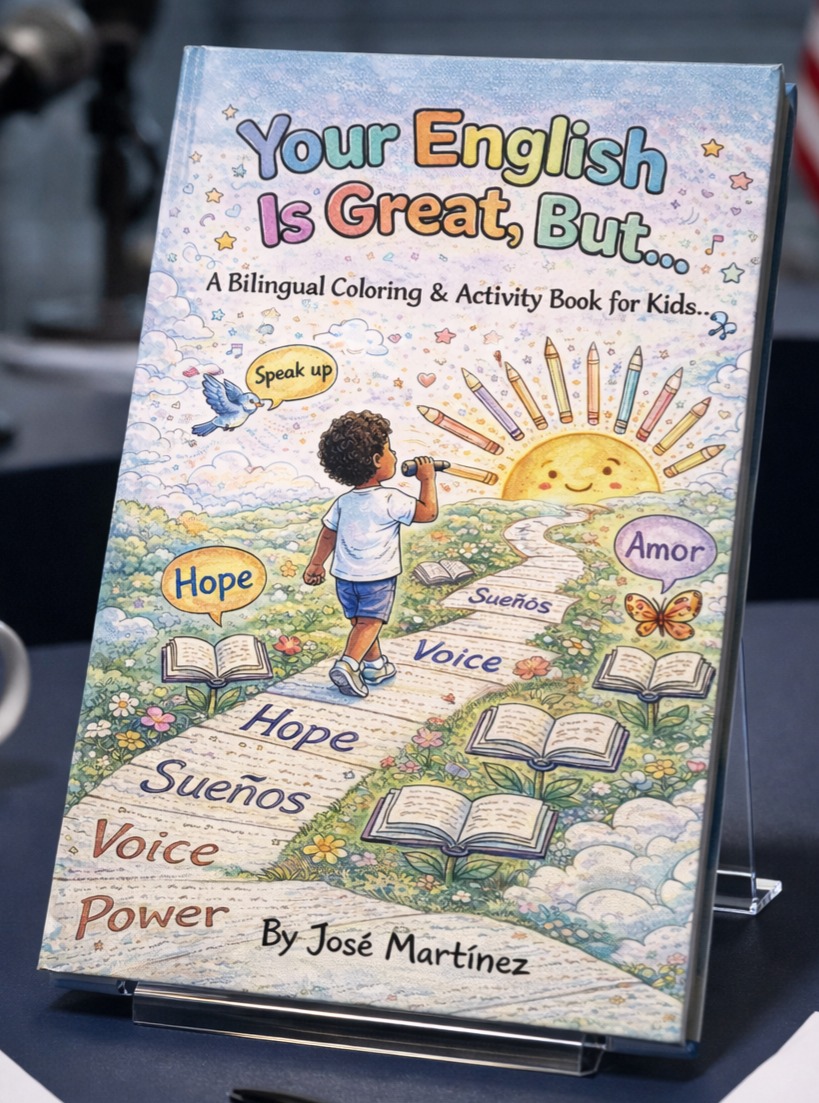
These themes are explored further in Your English Is Great, But…, a VOZ NYC–published book that examines how everyday language reflects deeper questions of identity, power, and belonging.
Have you read the book?
If Your English Is Great, But… resonated with you, leaving a short, honest review on Amazon helps this story reach readers who need it.
Reviews are one of the few ways independent books get discovered — and your words truly make a difference.
Thank you for supporting independent authors and storytelling rooted in lived experience.
👉 Leave a review on Amazon
https://www.amazon.com/review/create-review?asin=B0FHBJKJ6R


Leave a comment