

Sometimes it happens without warning.
You switch languages — and suddenly everything feels closer.
Heavier.
More alive.
For many bilingual and multilingual speakers, language is not just a tool for communication. It’s a container for memory, emotion, and identity.
So why does speaking another language feel emotional?
Language Carries Memory
Language is often learned in moments of transition.
At home.
In school.
After migration.
Through survival.
Words become attached to places, people, and experiences. Certain languages hold childhood. Others hold work. Some carry grief. Others carry love.
When you speak a language tied to memory, you’re not just expressing yourself — you’re revisiting a version of yourself.
Different Languages Hold Different Selves
Many people notice they feel slightly different depending on the language they’re speaking.
More expressive.
More reserved.
More confident.
More vulnerable.
This isn’t imagined. Language shapes tone, rhythm, and emotional range. Some feelings feel easier to access in one language than another.
Switching languages can feel like switching emotional registers — and that shift can be powerful.
Why Emotion Gets Complicated
Speaking another language often comes with evaluation.
Am I saying this right?
Do I sound confident?
Am I being judged?
That constant self-monitoring adds emotional weight. It turns communication into performance.
For immigrants and bilingual speakers, language is often tied to belonging — and when belonging feels conditional, emotion intensifies.
Language as Survival, Not Just Expression
For many people, learning another language wasn’t optional.
It was necessary.
To work.
To study.
To navigate systems.
To be understood.
That history doesn’t disappear once fluency is achieved. The emotional residue remains — making language deeply personal and sometimes exhausting.
Why This Feeling Is Hard to Explain
People who speak only one language may never experience this emotional layering.
To them, language feels neutral.
To others, it feels lived.
That difference can make bilingual experiences difficult to articulate — especially when emotions surface unexpectedly.
But naming the feeling matters. It validates experiences that are often dismissed or misunderstood.
Why VOZ NYC Writes About This
At VOZ NYC, we believe language is never just technical.
It’s emotional.
It’s cultural.
It’s human.
Exploring why language feels the way it does helps us better understand identity, belonging, and the quiet labor of navigating multiple worlds.
Related Reading
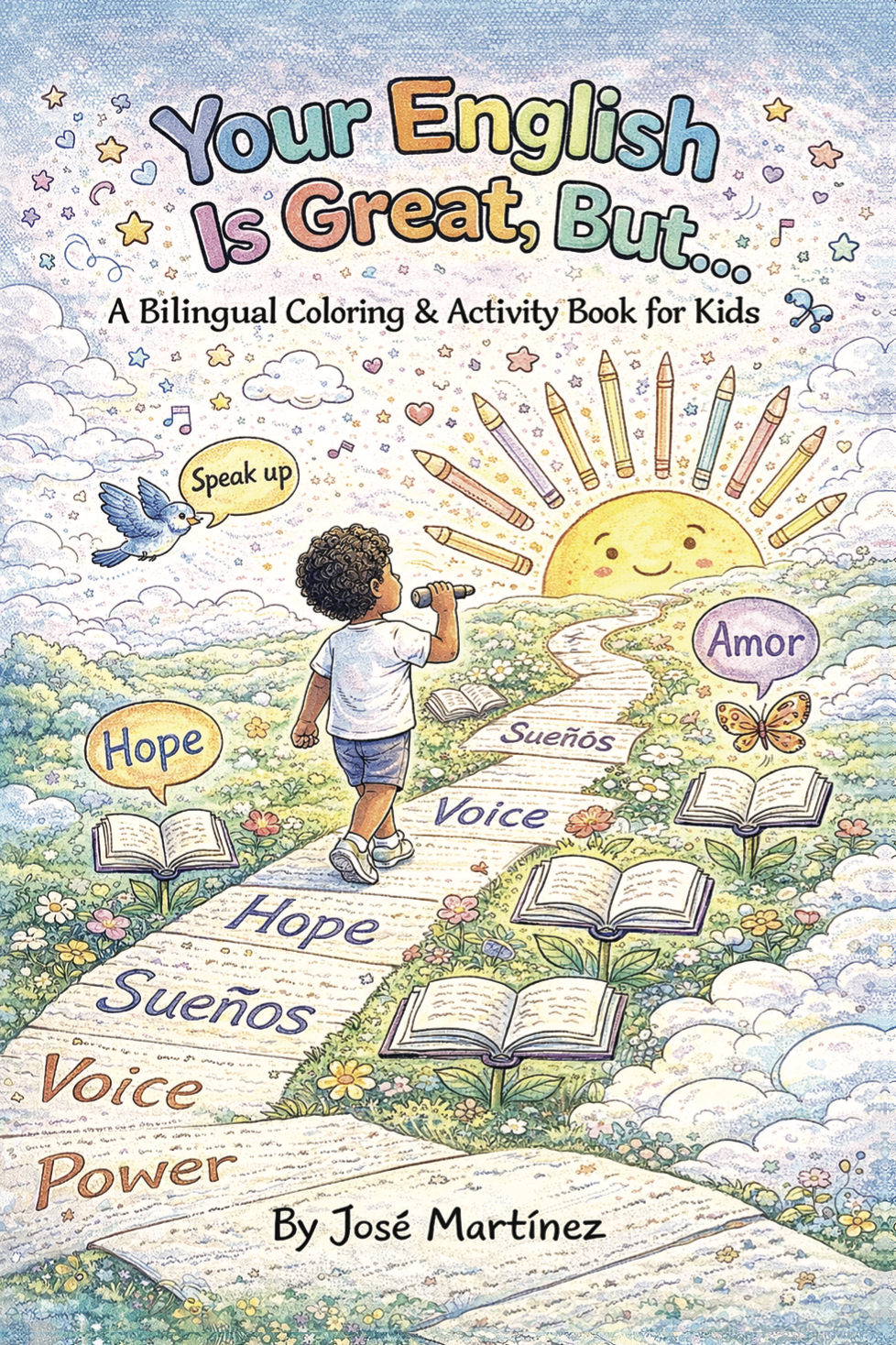
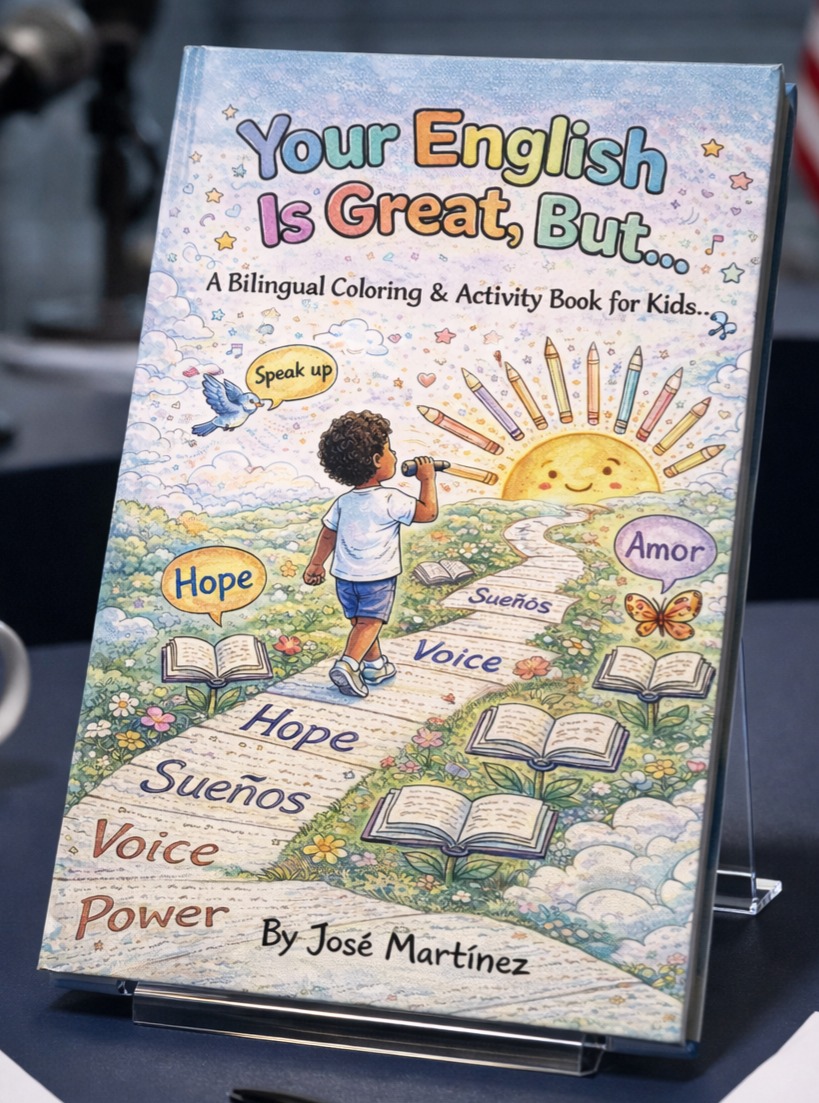
These emotional dimensions of language are explored further in Your English Is Great, But…, a VOZ NYC–published book examining how everyday language reflects deeper questions of identity, power, and belonging.

Leave a comment