

We like to think language is just a tool.
A way to exchange information.
A bridge between people.
But language is never neutral.
Every word carries history.
Every accent carries assumption.
Every tone carries meaning.
Whether we realize it or not, language shapes how power moves through the world.
Why Words Are Never Just Words
Words don’t exist in isolation.
They’re shaped by who is speaking.
Who is listening.
And whose voices have historically been centered.
The same sentence can be interpreted very differently depending on accent, grammar, or tone. What sounds “clear” from one person may sound “unprofessional” from another — even when the message is identical.
That difference isn’t about language.
It’s about perception.
How Language Becomes a Gatekeeper
Language often functions as a filter.
It decides:
- who is taken seriously
- who is considered credible
- who is allowed to lead
Fluency, vocabulary, and pronunciation are often mistaken for intelligence or competence. Accents are treated as signals — not of difference, but of hierarchy.
In this way, language quietly reinforces systems of inclusion and exclusion.
Why Neutral Language Is a Myth
What we call “neutral” language usually reflects the dominant group.
Standard speech patterns didn’t appear naturally — they were shaped by institutions with power: schools, governments, media, and professional spaces.
When language standards go unquestioned, they feel invisible. But invisibility doesn’t mean neutrality. It means familiarity.
And familiarity is often mistaken for correctness.
Language and Identity Are Inseparable
For many people, language is identity.
It carries family history.
Migration.
Memory.
Survival.
Asking someone to change how they speak isn’t a small request. It’s often a request to soften, flatten, or erase parts of who they are.
That’s why conversations about language are rarely just technical. They’re deeply personal.
Why This Conversation Matters Now
As societies become more multilingual and interconnected, the myth of neutral language becomes harder to maintain.
We hear more voices.
More accents.
More ways of expressing the same ideas.
The question isn’t whether language should be neutral.
It’s whether we’re willing to recognize whose language has been treated as the default — and why.
At VOZ NYC, we believe examining language is essential to understanding power, belonging, and culture.
Related Reading
These ideas are explored further in Your English Is Great, But…, a VOZ NYC–published book that examines how everyday language reflects deeper questions of identity, power, and belonging.
Posts
-
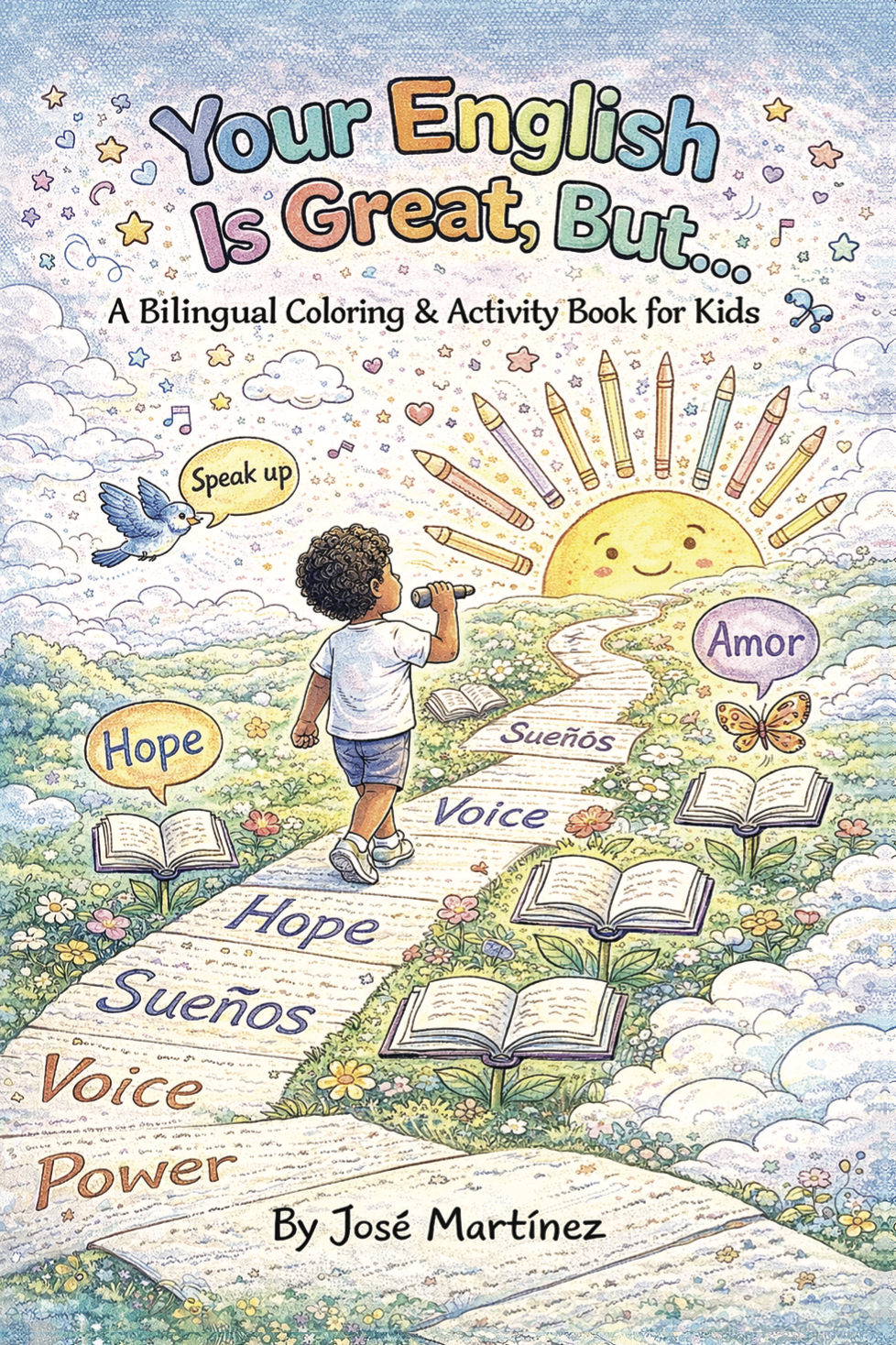
VOZ NYC releases a bilingual coloring and activity book for kids expanding Your English Is Great, But… into children’s publishing. Available now on Amazon and direct purchase.
-
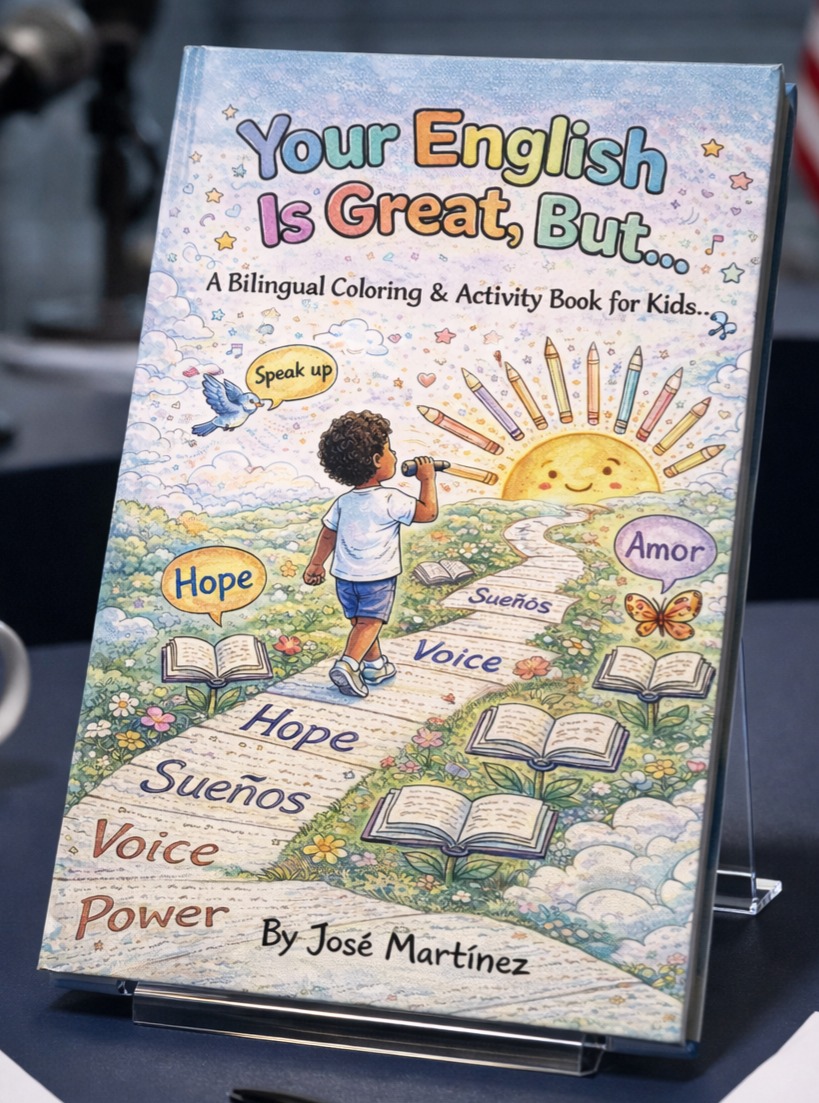
El sello editorial independiente adapta su título original al público infantil, ampliando su estrategia de publicación bilingüe.
-
VOZ NYC releases a bilingual coloring and activity book for kids expanding Your English Is Great, But… into children’s publishing.

Leave a comment