

Some books are designed to soothe.
They reassure.
They affirm.
They close the conversation neatly.
Others do something different.
They linger.
They disrupt.
They leave questions open.
At VOZ NYC, we believe books don’t always need to provide comfort. Sometimes, their purpose is to start conversations.
Why Comfort Isn’t Always the Goal
Comfort has its place.
But comfort can also flatten complexity. It can smooth over experiences that deserve to be examined rather than resolved.
Stories rooted in identity, language, and belonging often resist easy conclusions. They don’t exist to reassure readers that everything is fine. They exist to reflect reality as it is lived — layered, unfinished, and sometimes uncomfortable.
That discomfort isn’t failure.
It’s honesty.
What Conversation-Starting Books Do Differently
Books that start conversations don’t tell readers what to think.
They invite recognition.
They create pauses.
They spark reflection — and discussion.
Instead of offering solutions, they name patterns. Instead of summarizing experiences, they sit with them.
These books are often shared with a simple phrase:
“This reminded me of something I’ve felt but never said.”
Why These Books Matter More Than Ever
In a culture driven by speed and certainty, conversation-starting books slow things down.
They ask readers to notice:
- the language people use
- the assumptions behind compliments
- the quiet labor of belonging
These books don’t chase consensus. They make space for multiple truths to coexist.
That space is where real conversations begin.
VOZ NYC’s Publishing Philosophy
VOZ NYC was created to publish stories that live in the in-between.
Between languages.
Between identities.
Between visibility and silence.
We don’t publish to offer closure. We publish to open dialogue — especially around experiences that are widely shared but rarely acknowledged.
That’s why our first book wasn’t designed to comfort everyone. It was designed to resonate deeply with those who recognize themselves in it.
The Role of the Reader
Conversation-starting books don’t end at the last page.
They continue:
- in classrooms
- in book clubs
- in quiet moments of recognition
Readers become part of the work — carrying questions forward, sharing passages, and naming experiences that once felt isolated.
That continuation matters.
Why This Approach Is Intentional
Choosing conversation over comfort is a deliberate editorial choice.
It prioritizes depth over ease.
Reflection over resolution.
Recognition over reassurance.
At VOZ NYC, we believe that when readers feel seen — even uncomfortably — something meaningful begins.
Related Reading
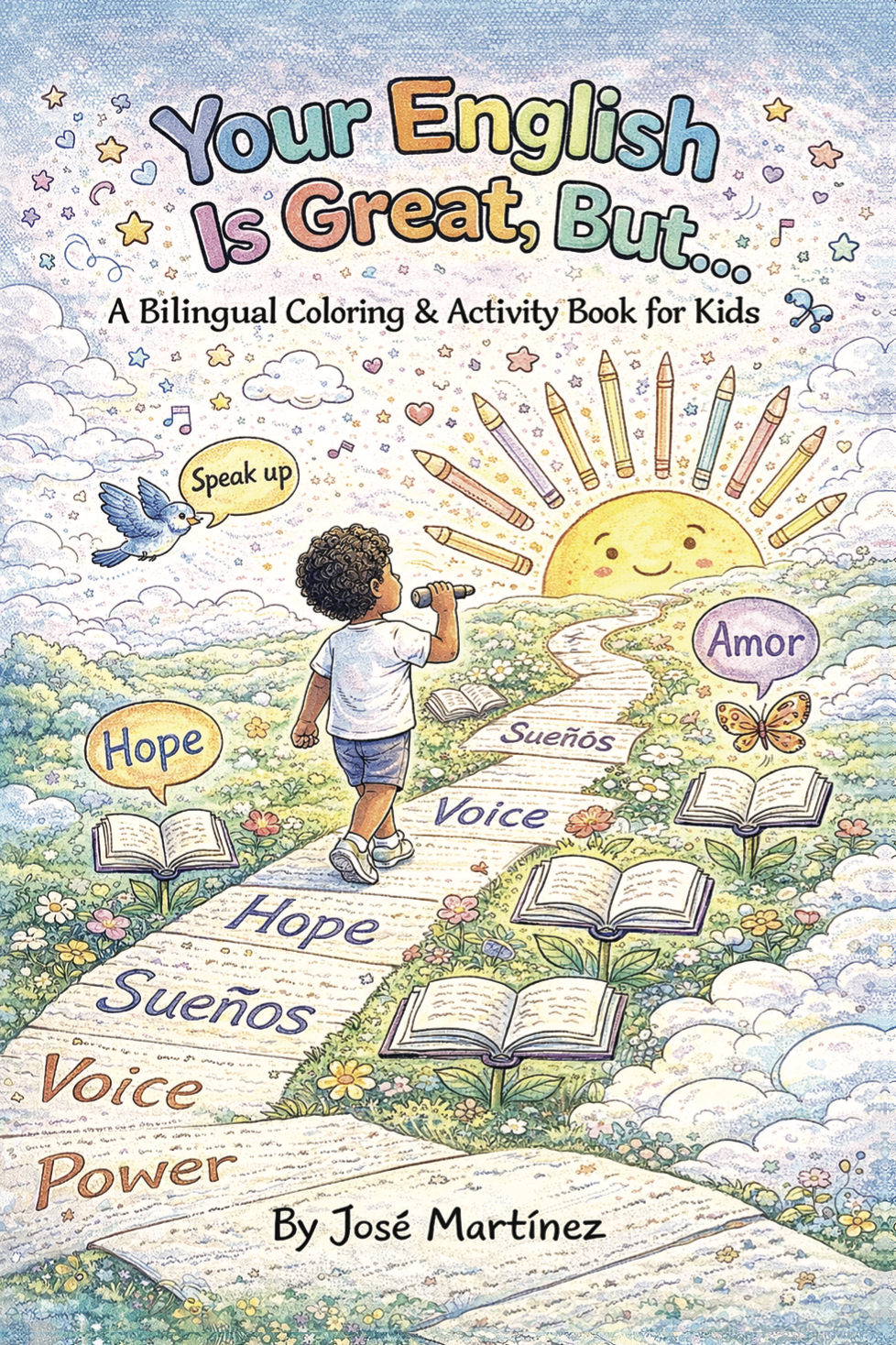
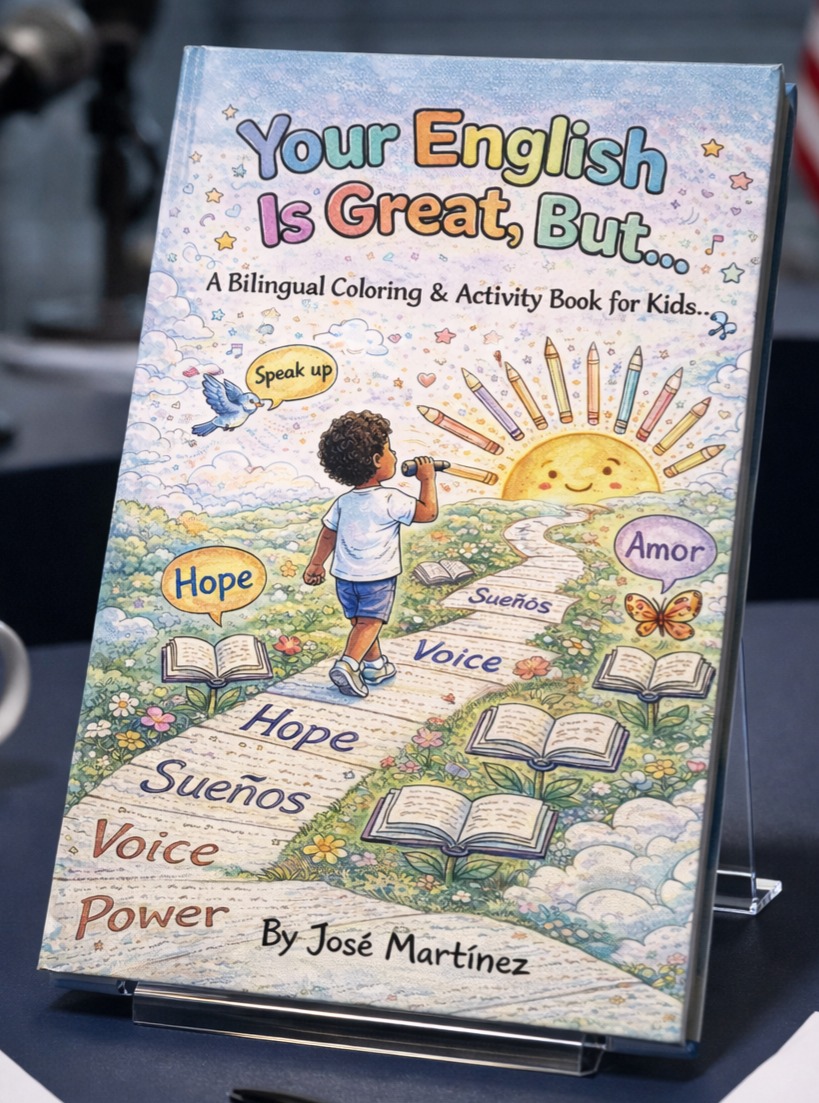
These ideas are reflected in Your English Is Great, But…, a VOZ NYC–published book that explores how everyday language reveals deeper questions of identity, power, and belonging.


Leave a comment